

Kenya is a year-round safari destination, but the month you choose shapes almost everything about your trip: where the wildlife gathers, how green the landscape is, how busy the parks feel and what you will pay. Pick the right window and a good safari becomes a great one.
This guide breaks the Kenyan safari calendar down month by month and park by park, so you can match your dates to the experience you want.
The Short Answer: When Is the Best Time for a Kenya Safari?
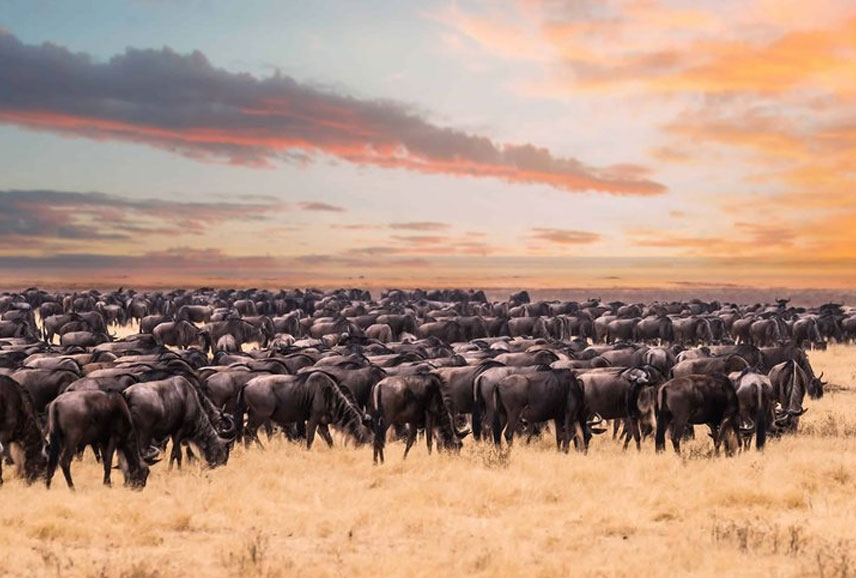
For most travellers, the best time for a Kenya safari is the long dry season from late June to October. Grass is short, animals gather around rivers and waterholes, and the Great Wildebeest Migration is in the Masai Mara.
A close second is the short dry season from January to February. It is warm and clear, with excellent game viewing and fewer vehicles at sightings than in peak season.
The wetter months, from March to May and November to early December, are known as the green season. They bring lush scenery, newborn animals, prolific birdlife and lower rates. Plenty of experienced safari-goers choose these months on purpose.
Understanding Kenya’s Safari Seasons
Kenya sits on the equator, so temperatures vary less than rainfall does. The year follows two dry seasons and two rainy seasons:
- Long dry season (late June – October): Peak season. Cool mornings, sunny days and the easiest game viewing of the year.
- Short rains (November – mid-December): Brief afternoon showers rather than all-day downpours. The landscape turns green quickly.
- Short dry season (mid-December – February): Hot, clear and dry. A second high season, especially over the festive holidays.
- Long rains (March – May): The wettest period, with April usually the heaviest month. Some lodges close and a few roads become muddy, but the parks are quiet and rates drop.
Rainfall patterns have become less predictable in recent years, so treat these as guidelines rather than fixed dates. A local operator who is on the ground every week can tell you what conditions are actually like.
Kenya Safari Calendar at a Glance
| Month | Season | Game Viewing | Highlights |
|---|---|---|---|
| January | Short dry | Excellent | Clear skies, great Kilimanjaro views from Amboseli |
| February | Short dry | Excellent | Hot and dry, good-value shoulder rates |
| March | Long rains begin | Good | Green landscapes, newborn animals, fewer visitors |
| April | Long rains | Fair | Lowest rates, superb birdlife, quiet parks |
| May | Long rains | Fair to good | Lush scenery, low-season deals |
| June | Dry season begins | Very good | Herds start moving north towards Kenya |
| July | Long dry | Excellent | Migration arrives in the Masai Mara |
| August | Long dry | Excellent | Peak Mara River crossings |
| September | Long dry | Excellent | Migration herds and strong predator action |
| October | Long dry | Excellent | Migration winding down, crowds thinning |
| November | Short rains | Good | Green season value, migratory birds arrive |
| December | Short rains to dry | Very good | Festive safari-and-beach holidays |
Kenya Safari Month by Month
January and February: Hot, Dry and Rewarding
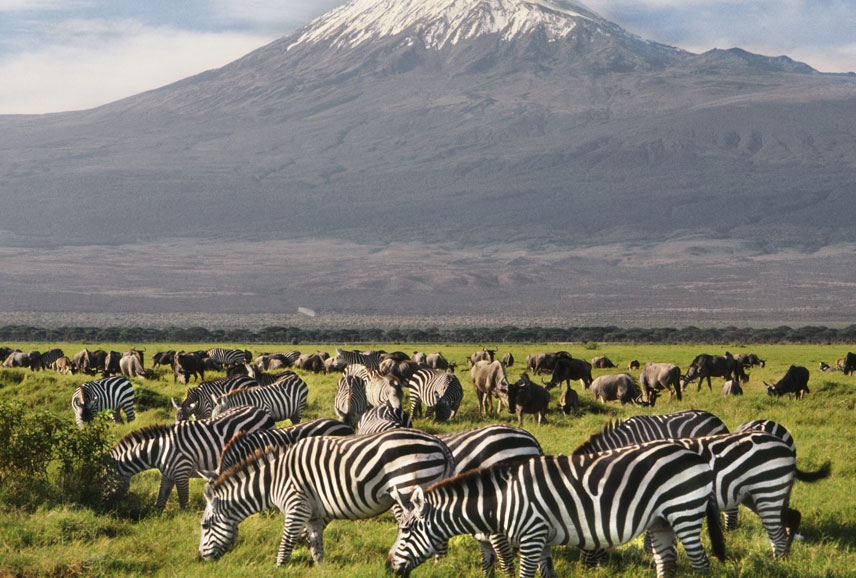
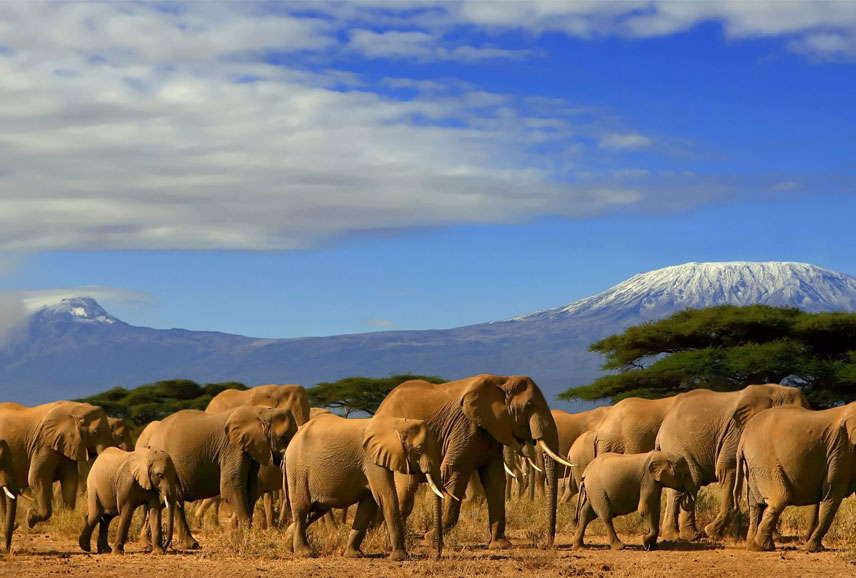
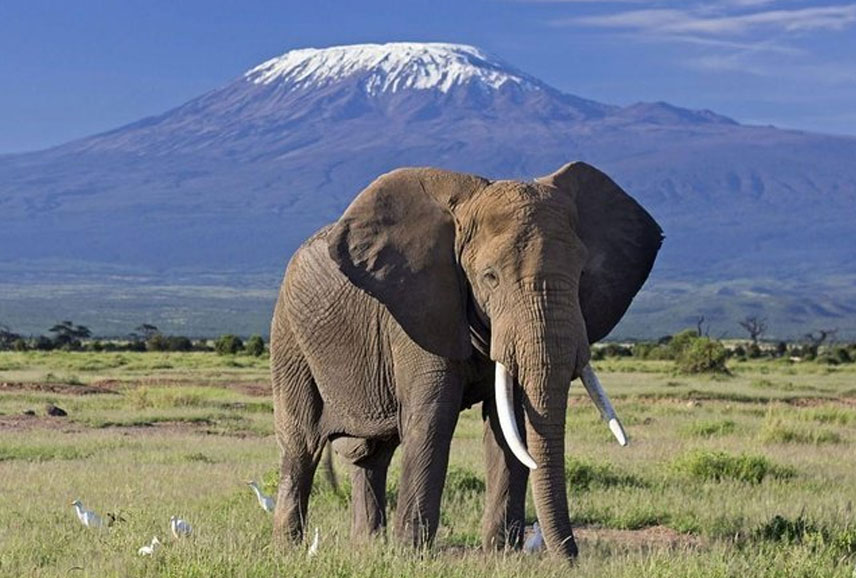
After the short rains, the plains are still green but drying fast, and wildlife starts concentrating around permanent water. This is one of the best times to visit Amboseli, when the morning air is clear enough to show Kilimanjaro rising behind the elephant herds.
It is also calving season in Tanzania’s southern Serengeti, where hundreds of thousands of wildebeest calves are born in a few weeks. If you want to see it, a combined Kenya and Tanzania safari is a strong option at this time of year.
March to May: The Green Season
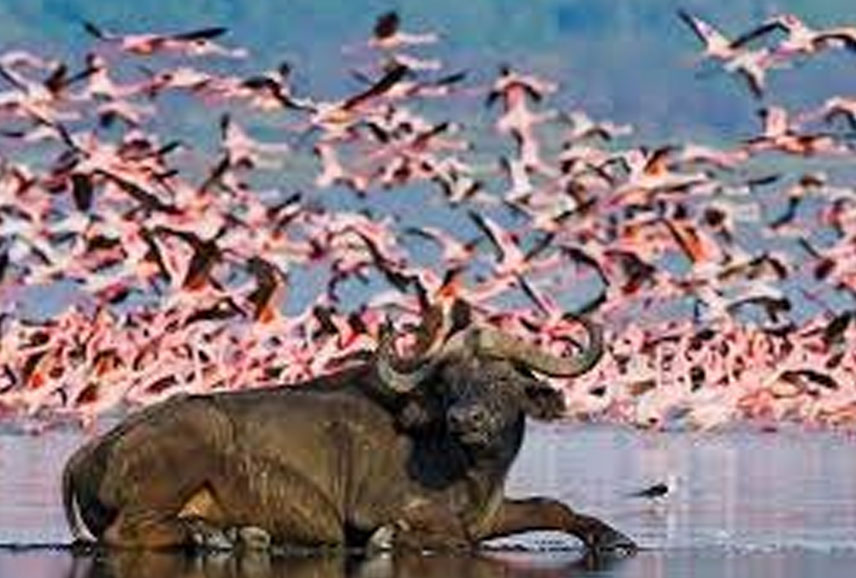
The long rains transform Kenya. Dusty plains turn emerald, young animals are everywhere and predators take advantage of the vulnerable newborns. Birdwatching is at its best, as migratory species from Europe and Asia are still present.
Rain usually falls in heavy afternoon bursts rather than all day, so mornings are often clear for game drives. The trade-off is that some roads get muddy and a few camps close for maintenance.
In return, you get parks that feel almost private and some of the best accommodation rates of the year. A flight safari is a smart choice now, since it takes the muddy roads out of the equation.
June: The Shoulder Month
June is an underrated sweet spot. The rains have eased, the grass is starting to shorten and peak-season rates have not fully kicked in. Towards the end of the month, the first migration herds begin pushing north from the Serengeti towards the Kenyan border.
July to October: Peak Safari Season
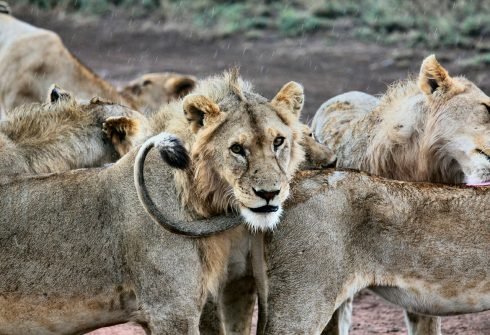
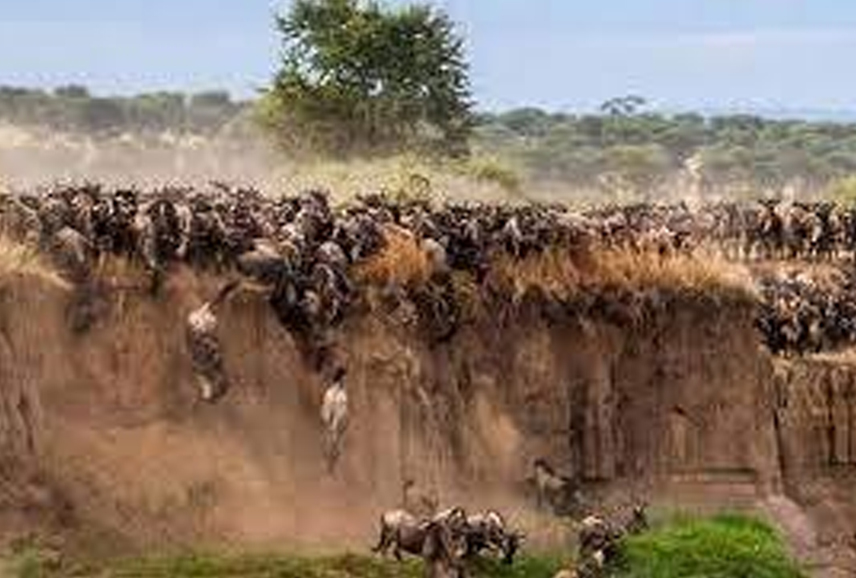
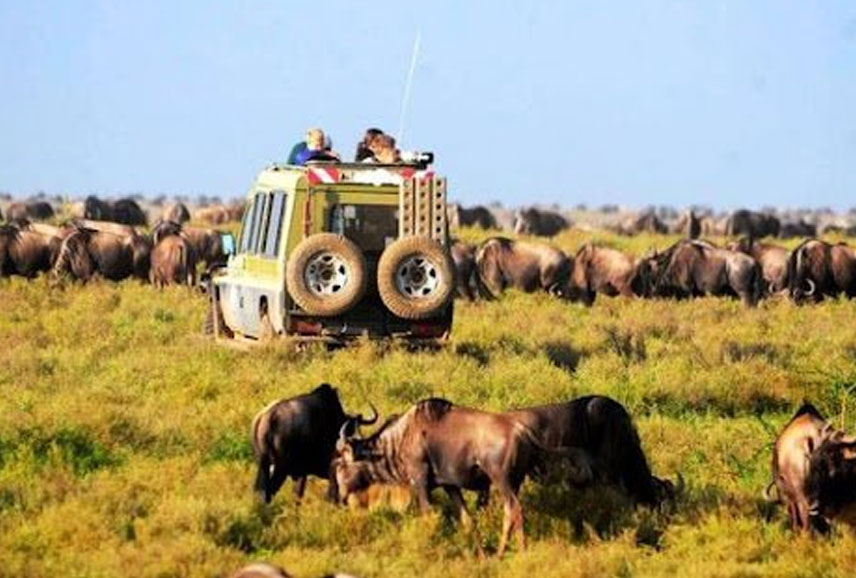
This is Kenya’s headline act. From July, the Great Migration spills into the Masai Mara, and August and September bring the dramatic Mara River crossings that safari travellers dream about. Lions, leopards and cheetahs follow the herds, and predator sightings are some of the best in Africa.
Dry conditions make wildlife easier to spot across all of Kenya’s major parks. The trade-off is demand: lodges fill up, park fees and rates are at their highest, and popular sightings can draw a crowd of vehicles. Book six to nine months ahead for these dates, and check current national park entry fees with the Kenya Wildlife Service.
For a deeper look at timing the herds, read our guide to planning a Maasai Mara migration safari or browse our wildebeest migration tours.
November and December: Short Rains and Festive Holidays
The short rains are usually light and brief, and the landscape turns green almost overnight. Early November is quiet and excellent value. By mid-December, the weather dries out and demand climbs again as families head out for Christmas and New Year safari-and-beach holidays.
Not sure which month suits you? Our local safari experts can compare dates, rates and wildlife for your travel window. Plan your trip with us and get a free, no-obligation itinerary.
Best Time for a Kenya Safari, Park by Park
Each park has its own rhythm. Here is when each of Kenya’s most popular safari destinations is at its best.
Masai Mara National Reserve
Best time: July to October for the migration; January to February for excellent resident game with fewer crowds.
The Masai Mara has one of the highest concentrations of big cats in Africa all year round, so it is worth visiting even outside migration season. Staying in a private conservancy on the reserve’s border adds night drives, walking safaris and far fewer vehicles.
Amboseli National Park
Best time: June to October and January to February.
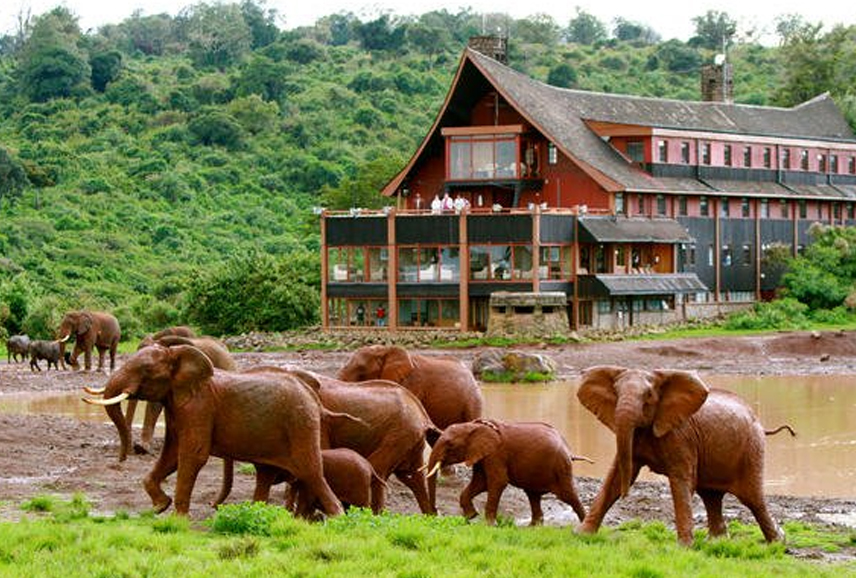
Amboseli is famous for its large elephant herds and postcard views of Mount Kilimanjaro. The mountain is most often visible in the early morning during the dry months. See how Amboseli fits into a classic route in our Kenya travel itinerary.
Tsavo East and Tsavo West
Best time: June to October and January to February.
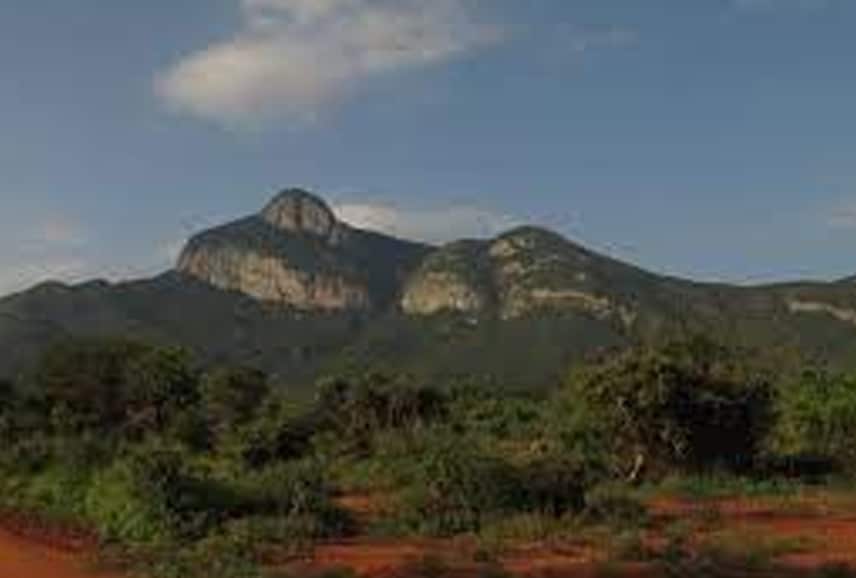
Kenya’s largest park system is known for its red-dust elephants and wide, wild landscapes. It is an easy extension from the coast, making it ideal for safari-and-beach combinations. See our Tsavo East itinerary for ideas.
Lake Nakuru, Lake Naivasha and Hell’s Gate
Best time: Year-round, with the driest conditions from June to October and January to February.
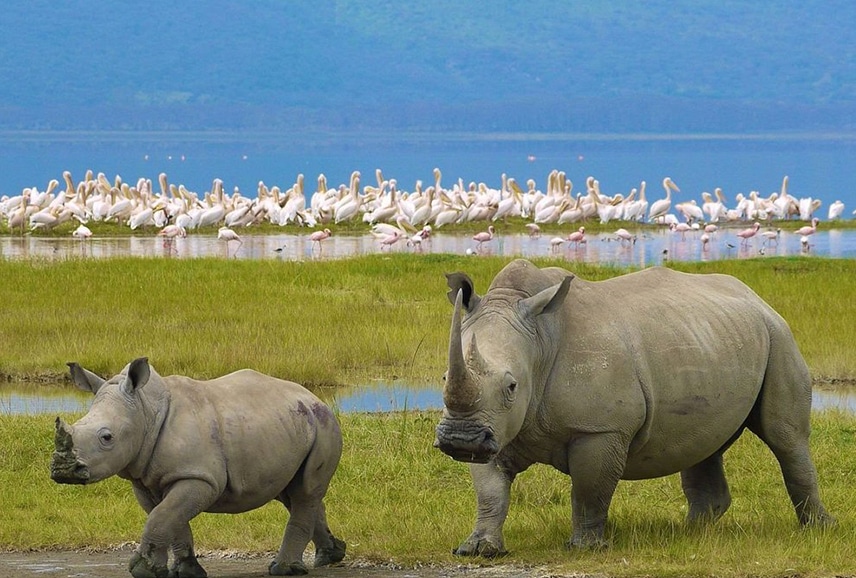
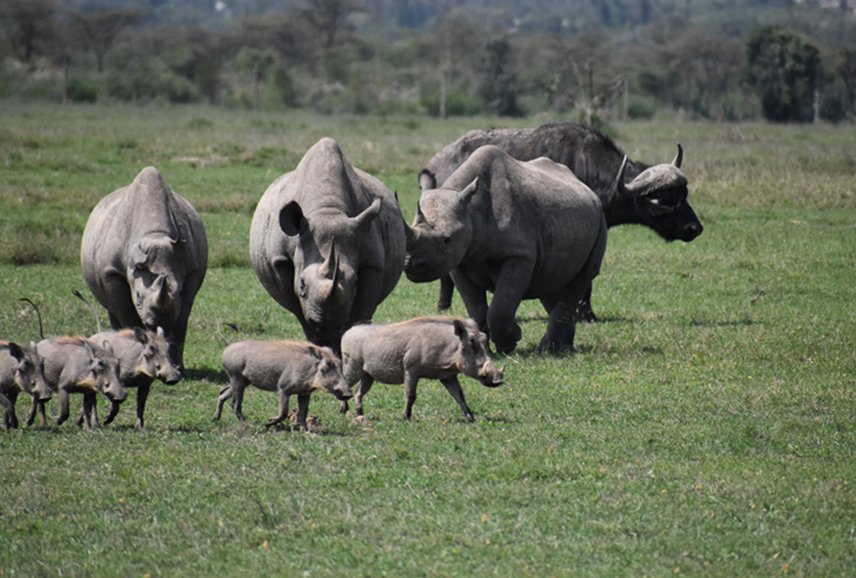
The Rift Valley lakes are good all year. Lake Nakuru is one of Kenya’s best places to see rhino, and Hell’s Gate is one of the few parks where you can cycle and walk among wildlife. Explore our Lake Nakuru itinerary and Hell’s Gate itinerary.
Mount Kenya
Best time: January to February and July to October.
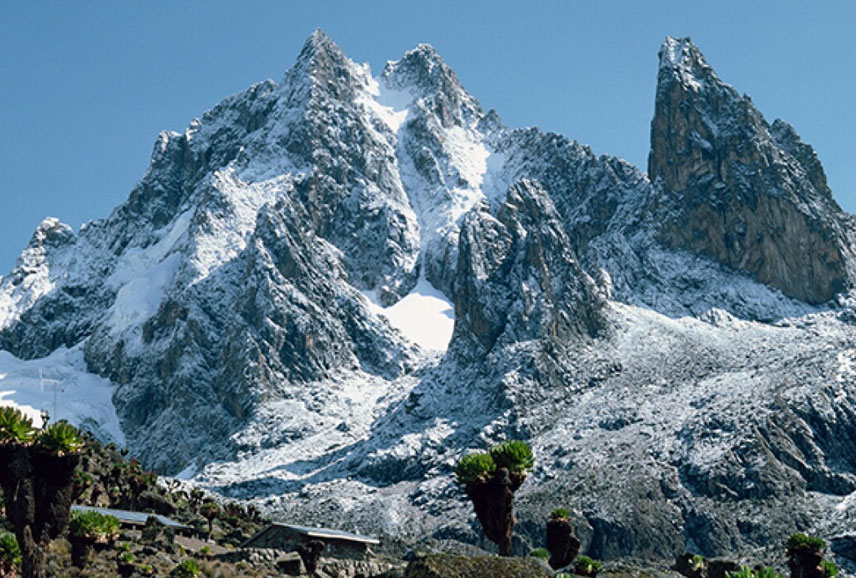
Clear, dry conditions make these the safest and most rewarding months to trek Africa’s second-highest mountain. Browse our Mount Kenya climbing tours and wider mountain safaris.
The Kenyan Coast: Diani, Mombasa, Malindi and Kilifi
Best time: December to March and July to October.
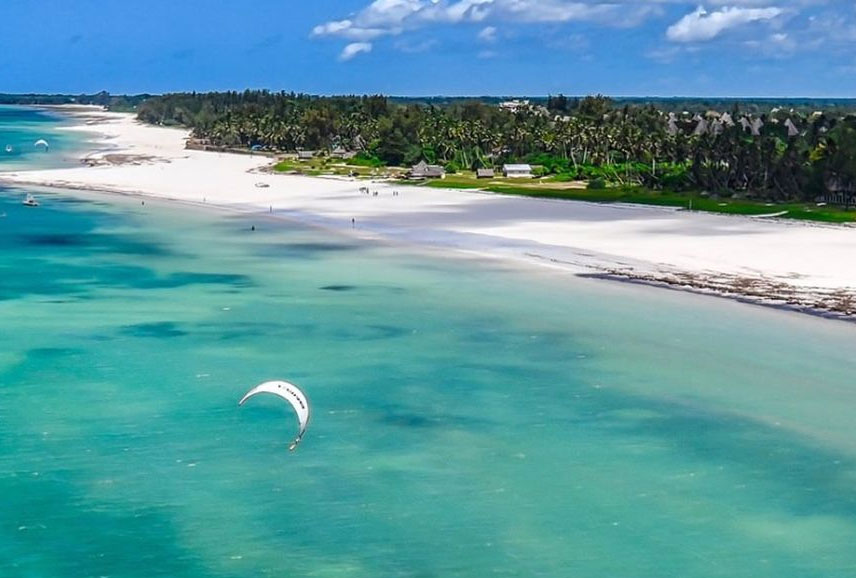
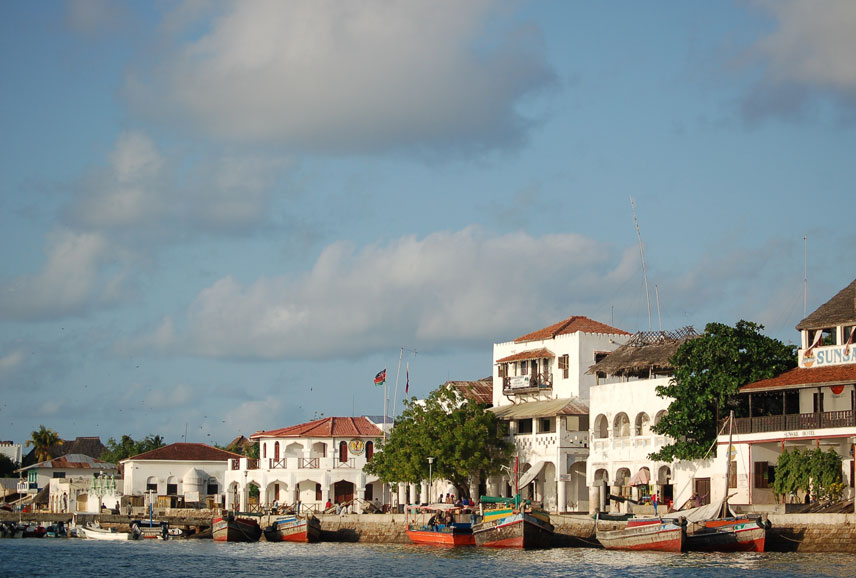
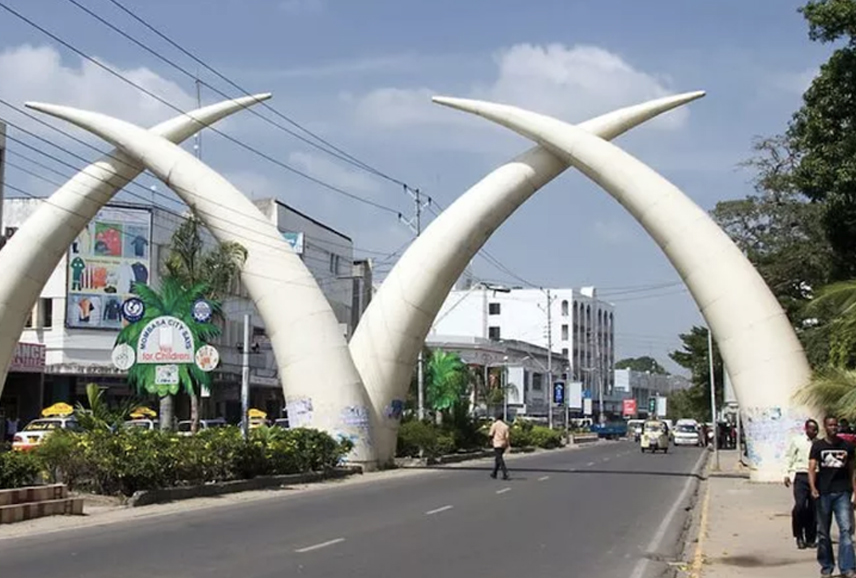
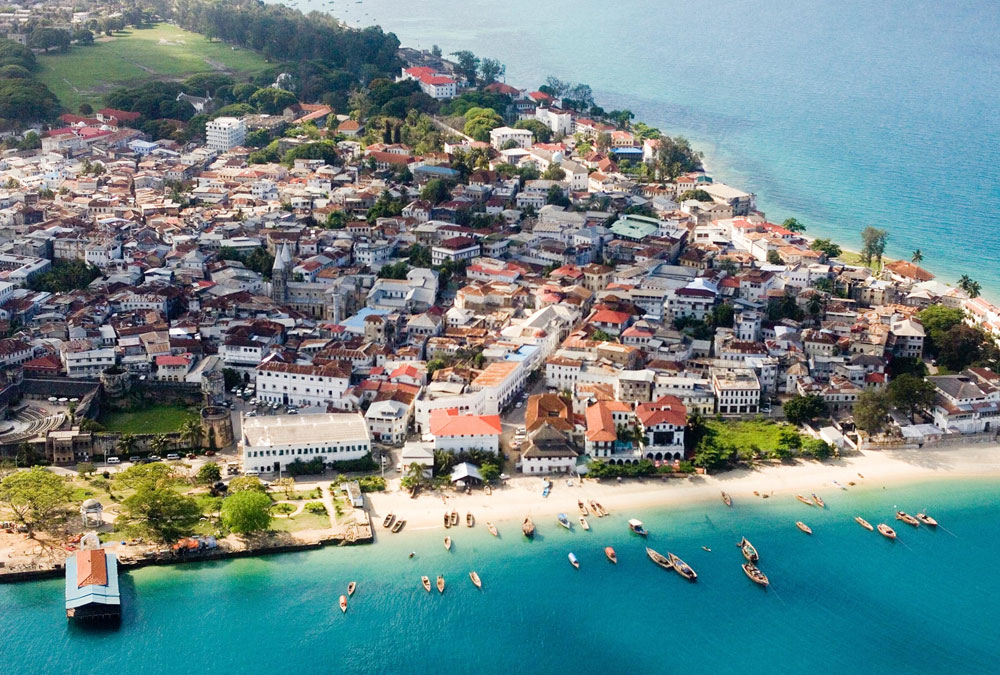
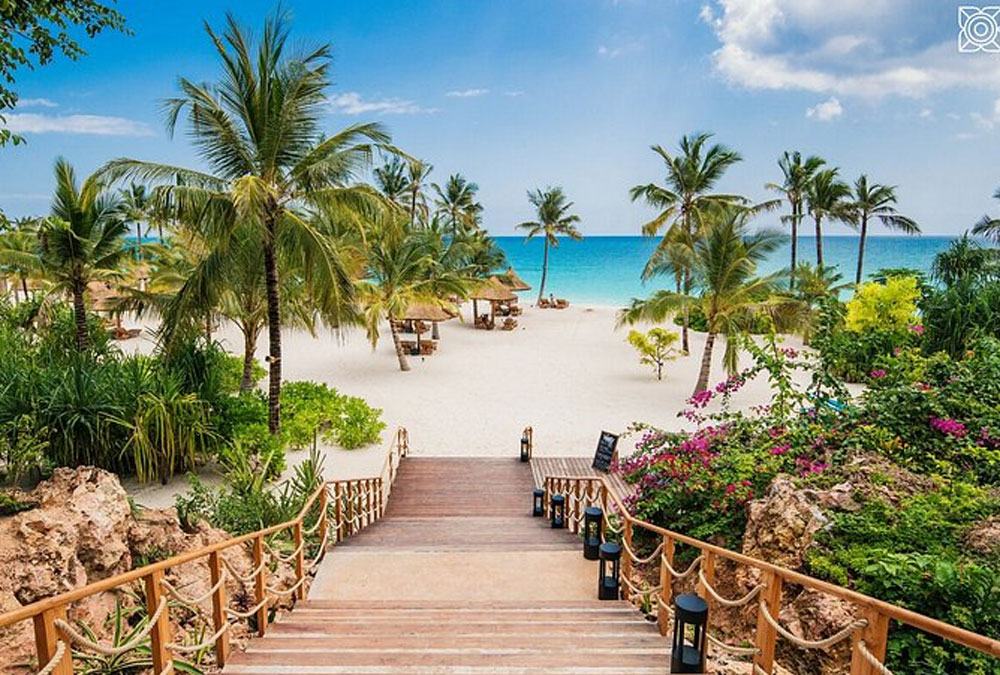
The coast is warm all year, but these months bring the most sunshine and calm seas. The long rains from April to June are the wettest period. Pair your safari with a few days in Diani, Mombasa, Malindi or Kilifi, or see our Kenya coast holidays.
The Best Time to Go, Based on How You Travel
- First-time safari: July to October or January to February for reliable, high-quality game viewing. Our Big Five safaris are a great place to start.
- Photographers: March to May for dramatic skies, green backdrops and fewer vehicles; August to October for action shots of river crossings and predators.
- Families: July, August and December line up with school holidays and offer excellent game viewing. See our family safari holidays.
- Honeymooners: January to February and June are romantic, quieter alternatives to peak season, with ideal weather for a beach finish. Explore our safari honeymoons.
- Value seekers: April, May and November offer the lowest rates and the quietest parks.
Why a Private Safari Makes Timing Work Harder for You
Timing matters most when you can react to it. On a shared group tour, the schedule is fixed, and so is the vehicle, the route and how long you stay at a sighting.
On a private safari with your own guide, you set the pace. You can:
- Leave camp at first light when the predators are most active.
- Wait at the Mara River for as long as it takes for a crossing.
- Change plans if the rain moves the wildlife.
- Spend a whole afternoon with a leopard if that is what you came for.
Our guides follow herd movements and park conditions daily, so they put you in the right place at the right time, whatever the season.
If you would rather design the trip from scratch, our bespoke safari tours are built entirely around your dates, interests and budget. You can mix fly-in and overland routes, add a coastal escape or combine Kenya with Tanzania.
Frequently Asked Questions
What is the best month to go on safari in Kenya?
August is widely considered the best single month, as it combines dry weather, excellent game viewing and the peak of the Mara River crossings. September is a close second.
What is the cheapest time for a Kenya safari?
April and May, during the long rains, offer the lowest accommodation rates. Early November is another good-value window.
Can you go on safari in Kenya during the rainy season?
Yes. Rain usually falls in short afternoon bursts, wildlife is still plentiful and the parks are far quieter. Some remote roads can become difficult, which is where a flight safari or an experienced private guide makes a real difference.
When can I see the Great Migration in Kenya?
The herds are usually in the Masai Mara from July to October, with river crossings most frequent between August and September. Exact timing varies each year depending on rainfall.
How far in advance should I book a Kenya safari?
For July to October and the Christmas holidays, book six to nine months ahead. For other months, three to four months is usually enough.
Plan Your Kenya Safari at the Perfect Time
There is no wrong time to visit Kenya. The best time for a Kenya safari is the one that matches what you want to see. Whether you want the thunder of the migration, the quiet beauty of the green season or a relaxed mix of safari and beach, Kenya Tru Nomads Tours will match your dates to the best experiences on the ground.
Ready to Start Planning?
Prefer to browse first? See our safari packages, or call +254 721 320 603 to speak to our team.