








Kenyan Mountain Safaris
Journey to the heart of Africa with our unforgettable Kenyan Mountain Safaris. Kenya, renowned globally for its stunning savannahs and teeming wildlife, also hides majestic mountain ranges waiting to be explored. These aren’t just treks; they’re transformative adventures.
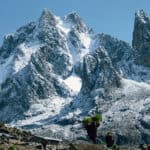
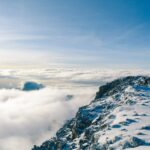
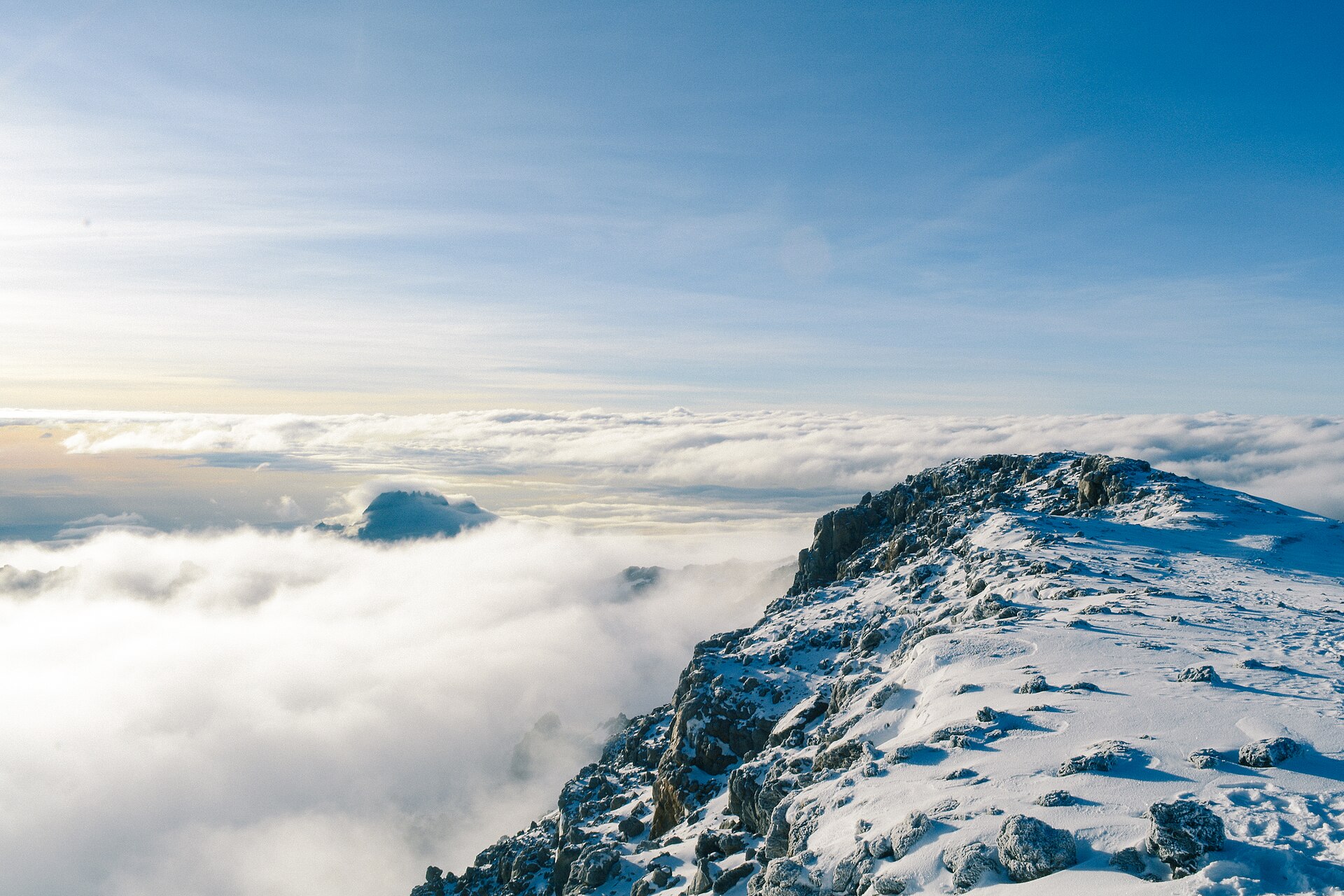
From the mist-shrouded peaks of Mount Kenya, Africa’s second-highest peak, and the scenic landscapes of the Aberdare Ranges to the summit of Mount Kilimanjaro, the Roof of Africa, our Mountain Safaris offer an unparalleled blend of exhilarating altitude challenges and serene beauty. Revel in the sight of unique alpine flora and fauna, and wake up to sunrises that paint the sky with hues of gold and crimson.
Whether you’re an experienced mountaineer seeking your next challenge or a novice eager to venture into the elevated realms, our Mountain Safaris are tailored to cater to every level of enthusiast. Guided by experienced local experts, you’ll not only conquer peaks but also immerse yourself in the rich tapestry of Kenyan culture.
Dive deep into the heart of Kenya’s highlands, and let the spirit of the mountains captivate your soul. Choose Kenyan Mountain Safaris for an adventure that rises above the ordinary. Let the adventure begin!
- 6 Days
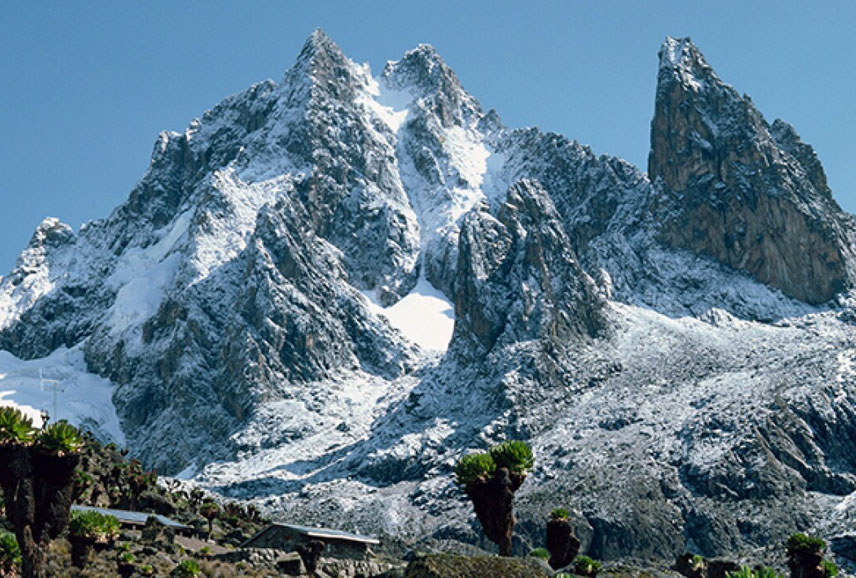
- 5 Days
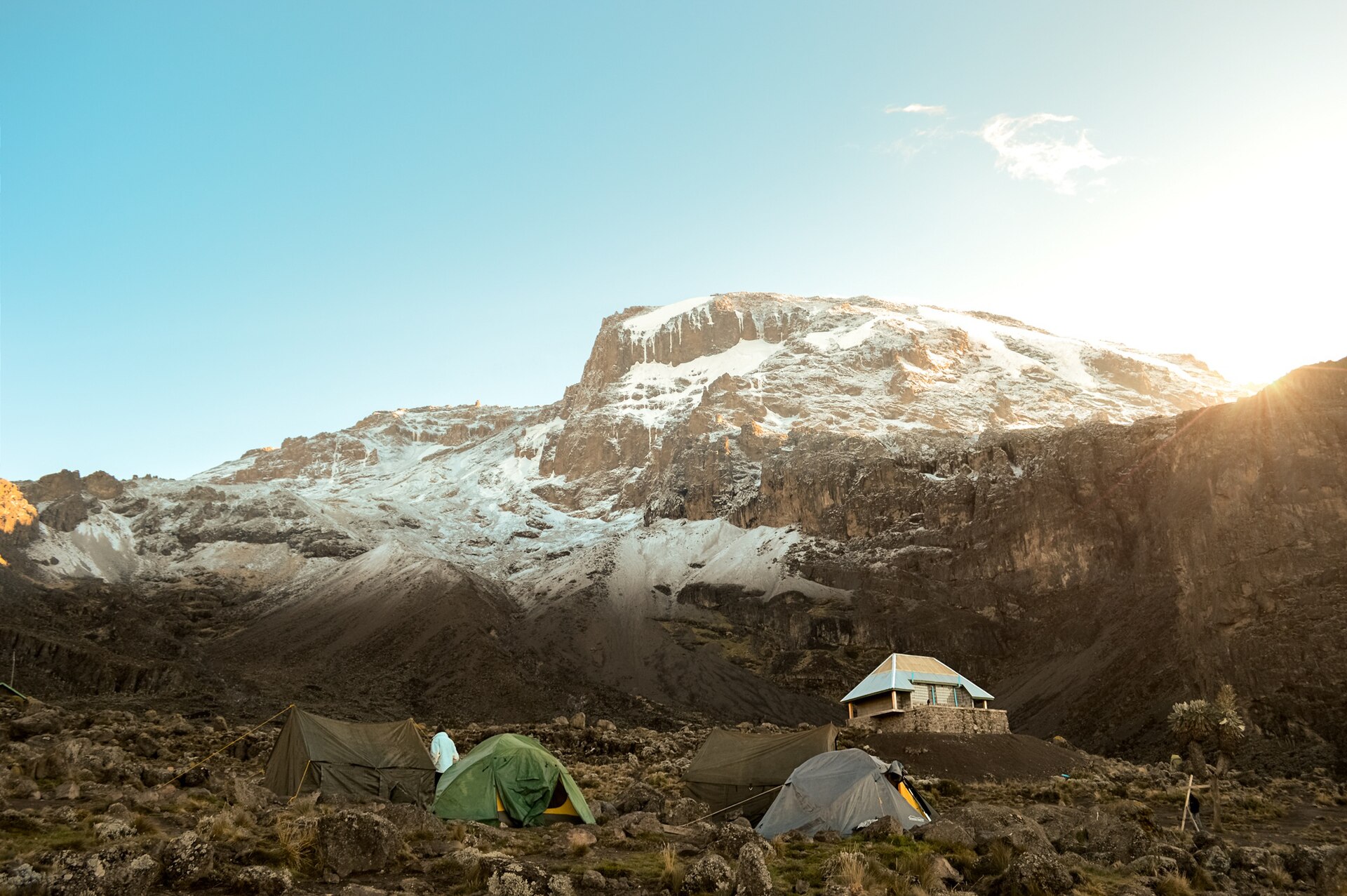
- 7 Days

- 5 Days
Preparing for Your Climb
Everything you need to know before climbing Mount Kilimanjaro or Mount Kenya with us: how fit you need to be, how altitude affects you, the documents you need and what to pack.
Fitness
For Point Lenana on Mount Kenya and the standard Kilimanjaro routes, you need moderate fitness: you should be comfortable walking 6 to 8 hours with a day pack, on consecutive days.
The most useful training is long walks on hills, in the boots you will climb in, carrying the day pack you will take. Gym cardio helps less than you might think; time on your feet helps more.
Altitude
Everyone feels the altitude somewhere above 3,500m: headaches, poor sleep, loss of appetite and breathlessness on small efforts. That is normal. Point Lenana is 4,985m and Uhuru Peak is 5,895m.
What is not normal is confusion, loss of balance, or breathlessness at rest. Tell your guide immediately. Descending fixes it, and nothing else does.
Our guides carry emergency oxygen and a pulse oximeter, and they have the final word on whether you continue up. The single best thing you can do is choose an itinerary with an extra acclimatisation day. That extra day can be the difference between reaching the summit and turning back at 4,600m.
Documents and insurance
- Travel insurance is mandatory on every climb we run. It must cover trekking to the maximum altitude of your route, plus emergency evacuation and medical costs. Many standard policies stop at 3,000m or 4,000m, so check yours.
- Passport valid for at least six months beyond your travel dates, with blank pages for stamps.
- Entry permission arranged before you fly. Kenya and Tanzania both use online systems and the rules change, so check the current requirements for your nationality well before you book flights. See our East Africa visa guide.
- Cash in small notes for tips and anything you buy on the way up.
Kit list
Plan for −10°C at night and +15°C in the afternoon sun, sometimes on the same day.
Feet
- Hiking boots: waterproof, above the ankle, with good grip, and broken in over at least three long walks before you fly. New boots on day one is the most common reason a climb ends early.
- Gaiters: keep scree, mud, snow and the Chogoria bog out of the top of your boots.
- Warm socks (4 pairs): wool or synthetic. Cotton holds sweat, freezes and takes the skin off your heels.
- Liner socks (2 pairs, optional): worn under the warm pair, so the two layers rub against each other instead of against you.
- Camp shoes (optional): Crocs, sandals or trainers. Getting out of your boots at camp is the best ten minutes of the day.
Layers to wear
- Thermal base layer, top and bottom: merino or synthetic. One set to walk in, and one dry set kept for sleeping only.
- Warm jumper or sweater: a wool mid-layer for cold mornings and camp.
- Fleece or down vest/jacket: the insulating layer that comes off first when the sun hits.
- Light, loose trousers: for the forest and moorland sections, where it is warm and humid.
- Warm trousers or tracksuit bottoms: pulled on over the base layer once you stop walking.
- Trekking shirts (2 or 3): long-sleeved and quick-drying, for sun cover as much as warmth.
Wind, rain and snow
Essential in every month. Mount Kenya makes its own weather.
- Waterproof jacket with a hood: properly waterproof, not just shower-resistant, and roomy enough to go over your insulation.
- Waterproof over-trousers: as much for wind protection on the summit ridge as for rain lower down.
Head, hands and face
At 4,000m the sun burns through cloud, and it reflects up off the snow.
- Wool hat or beanie that covers your ears.
- Balaclava or neck gaiter for summit night, when the wind finds every gap.
- Warm scarf (optional).
- Wide-brimmed sun hat: the moorland has no shade at all.
- Heavy gloves or mittens: mittens are warmer than gloves. Add thin liner gloves so you can work a zip without bare hands.
- Sunglasses (category 3 or 4): on snow, wear proper mountaineering glasses. Snow blindness is a real risk above 4,500m, and it arrives hours after the damage is done.
- SPF 50+ sunscreen and SPF lip balm: reapply at every break, including under your chin and nose.
Water, light and poles
- Two 2-litre water bottles, or a hydration bladder plus one bottle. Bladder hoses freeze solid on summit night, so never carry only a bladder. We purify and supply the water itself.
- Headlamp with spare batteries: summit pushes start between midnight and 3am. Cold flattens batteries fast, so keep the spares in an inside pocket.
- Walking poles (an adjustable pair): they take a large share of the load off your knees on the long descent, which is where most knee injuries happen.
- Daypack for what you carry yourself: water, waterproof shell, snacks, camera and a warm layer.
- Dry bags or heavy bin liners to line both bags. Nothing on the mountain is reliably waterproof from the outside.
- Light travel towel (optional).
Body and small kit
- Personal medication in your daypack, not in the porter’s bag. You and your bag are not always in the same place.
- Small personal first-aid kit: blister plasters, painkillers, rehydration salts and any altitude medication your doctor has prescribed. We carry a full kit and emergency oxygen; this is for the small things.
- High-energy snacks: whatever you will actually eat when you have no appetite. Appetite is the first thing altitude takes.
- Hand sanitiser and wet wipes.
- Toiletries: keep them small. Everything you pack, somebody carries.
- Power bank (optional): there is no charging above the gate. Cold drains phone batteries, so sleep with your phone in your sleeping bag.
- Camera (optional).
Sleeping bags can be hired for Kilimanjaro climbs. Ask us when you book.