
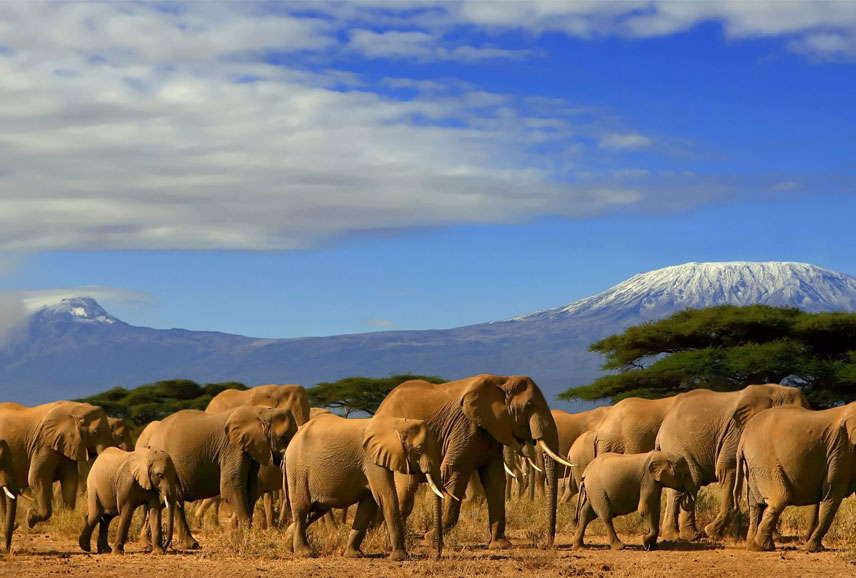






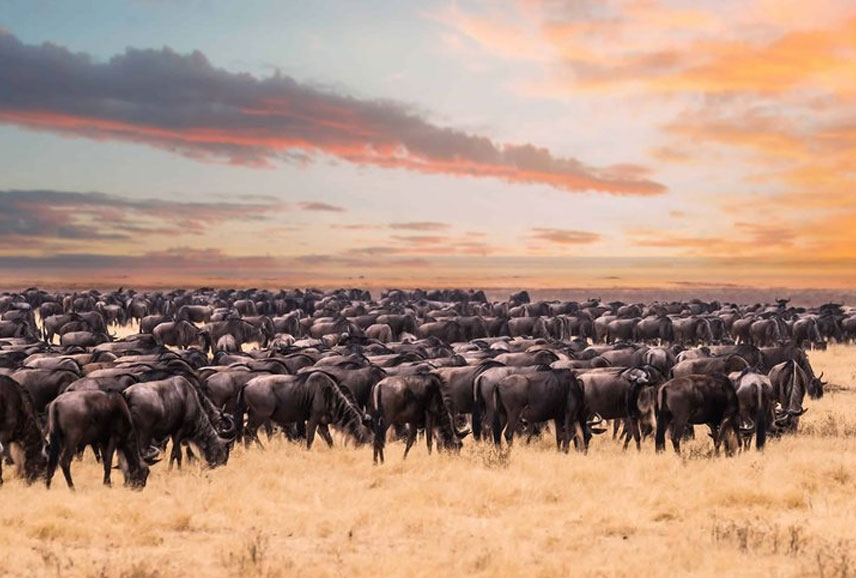


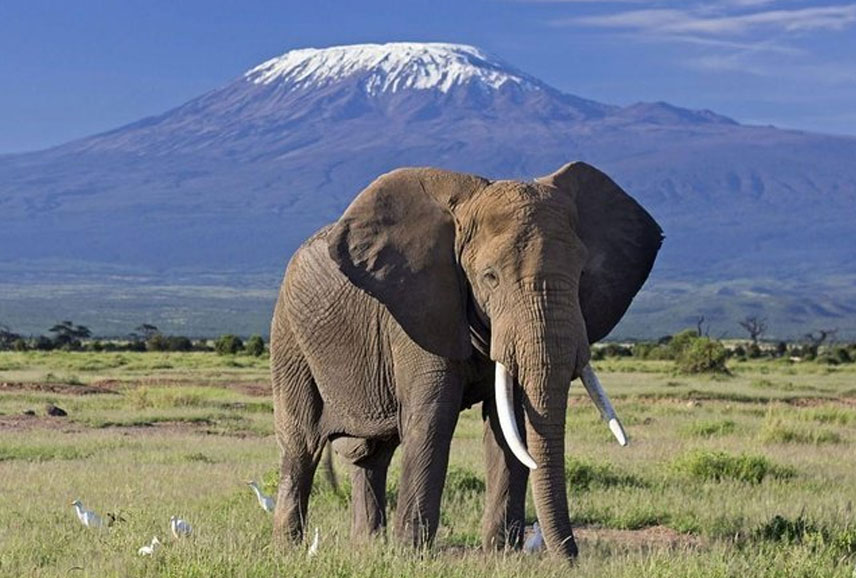
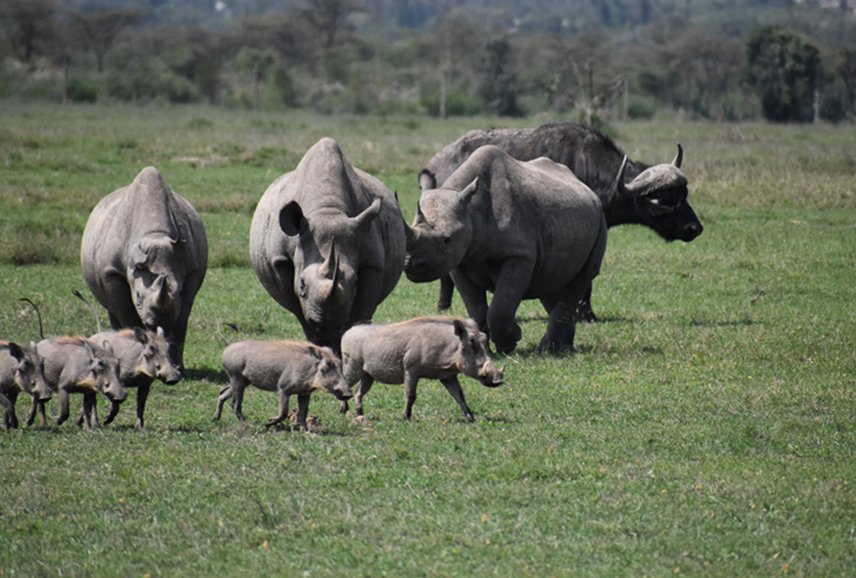


Embarking on a safari holiday is a rite of passage for many families. There is a magic in watching your child’s eyes widen as they spot their first wild elephant or hear the distant roar of a lion at dusk. At Kenya Tru Nomad Tours, we specialize in crafting family safari tour packages that balance the thrill of the wild with the safety and comfort required when traveling with your most precious cargo.
Planning Africa safaris with children and young families requires a bit more logistics than a solo trip, but the rewards are lifelong memories. Here is your definitive guide to navigating a Kenyan safari.
1. Essential Africa Travel Documents for 2026 When Travelling with
Kenya has streamlined its entry process, but there are specific requirements for families that you must prepare in advance:
Electronic Travel Authorization (eTA): As of 2026, the traditional visa has been replaced by the eTA. Every family member, including infants and children, must have an approved eTA before departure. Apply via the official government portal at least 2 weeks before your trip.
Passport Validity: Ensure all passports are valid for at least six months beyond your departure date and have at least two blank pages.
Parental Consent: If you are traveling as a single parent or with children who are not your own, Kenya may require a notarized Parental Consent Affidavit. This protects against child trafficking and ensures smooth transit through immigration.
Digital Readiness: Carry an offline PDF or printed QR code of your eCitizen documents, as park gates often have spotty internet access.
2. Health & Vaccinations
Safety is our priority. While Kenya is a hospitable destination, staying healthy is key to enjoying the bush:
Yellow Fever: A certificate is mandatory if you are arriving from a country with a risk of Yellow Fever transmission. Even if not, it is often recommended for travelers over 9 months old.
Routine Boosters: Ensure children are up to date on MMR (Measles, Mumps, Rubella), Polio, and Tetanus.
Malaria Prophylaxis: Most of Kenya’s safari destinations are in malaria-prone zones. Consult your pediatrician for child friendly medications.
Travel Insurance: Ensure your policy includes ‘emergency medical evacuation. A must have for remote safari locations.
3. Choosing the Best Accommodations
When browsing family safari holidays, where you sleep is just as important as what you see. We recommend three main styles:
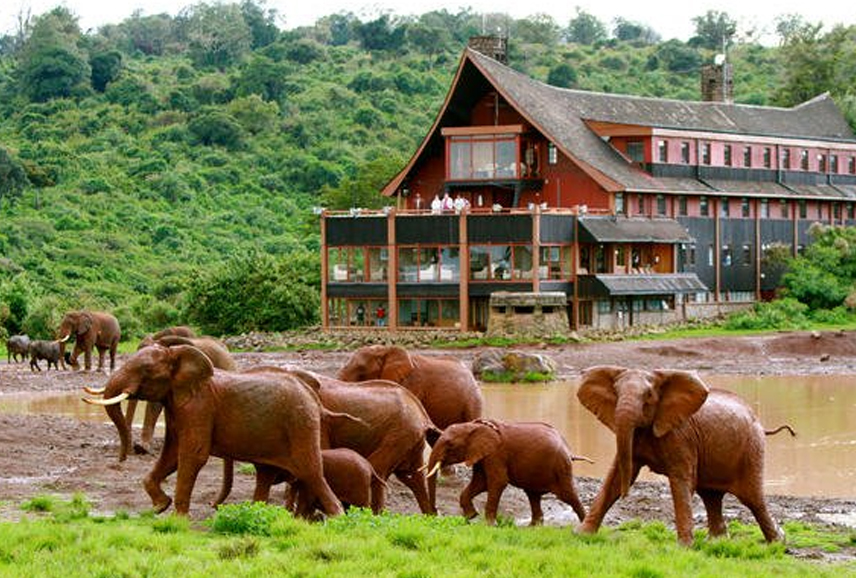
Safari Lodges: These are ideal for families with younger children (under 8). They often feature swimming pools, fenced perimeters for safety, and solid walls which help dampen the strange and sometimes loud noises of the African night.
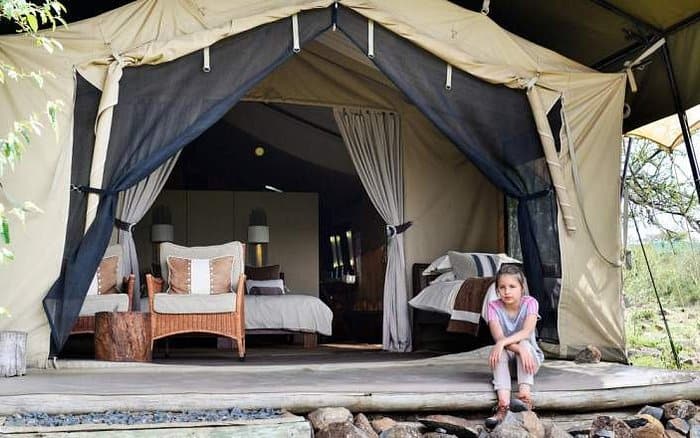
Tented Camps: This is the ‘real’ adventure. While safe, these are better suited for older children and teens who want an immersive experience, hearing the hippos from your bed is unforgettable.
Private Villas: For multi generational families or larger groups, villas offer private chefs and flexible mealtimes, providing a proper home away from home in the heart of the bush.Pro Tip: Look for fenced lodges if you have toddlers who like to wander, or Conservancy stays which often allow for shorter, more flexible game drives tailored to a child’s attention span.
4. The Mini-Explorer Packing List
Space is often limited on small bush planes (usually 15kg in soft-sided bags), so pack smart:
Layers are King: The savannah is freezing at 6:00 AM and scorching by noon. Pack fleeces, light windbreakers, and cotton t-shirts.
Neutral Colors: Think khaki, tan, and olive. Avoid bright whites (they get dusty) and dark blue or black which can attract Tsetse flies.
Footwear: Sturdy trainers are usually fine; heavy hiking boots are rarely needed unless you are doing a specific walking safari.
Eye Protection: Polarized sunglasses and wide brimmed hats with chin straps so they don’t fly off the moving jeep!
5. Making Travel Easier
To keep ‘Are we there yet?’ at bay, we recommend:
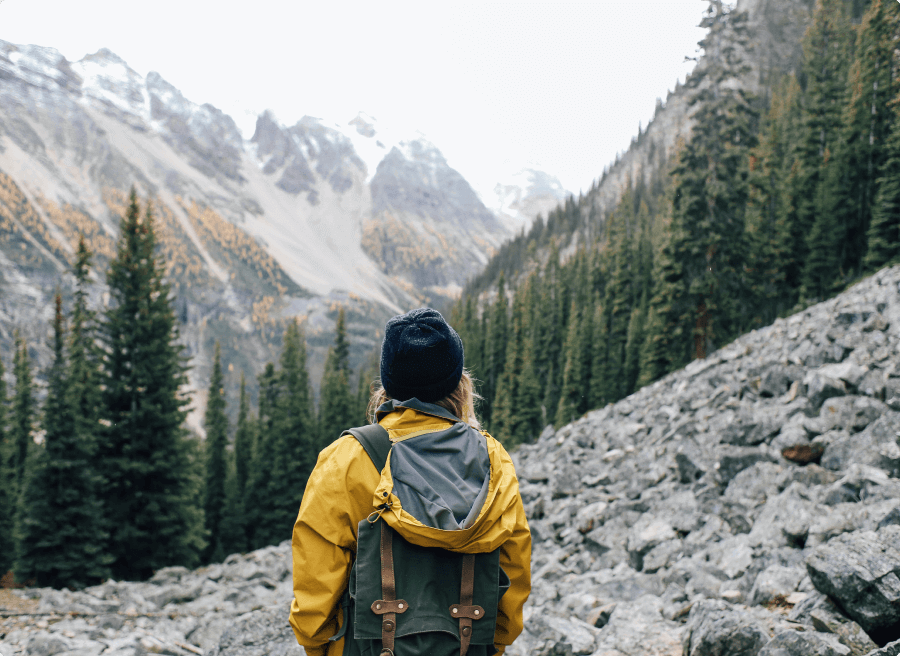
The ‘Safari Bag’: Give each child a small backpack with their own binoculars, a wildlife guidebook, and a digital or disposable camera. It turns them from passengers into active Junior Rangers.
Familiar Snacks: While our lodges provide incredible food, having a familiar granola bar or crackers during a long game drive can prevent a hangry meltdown.
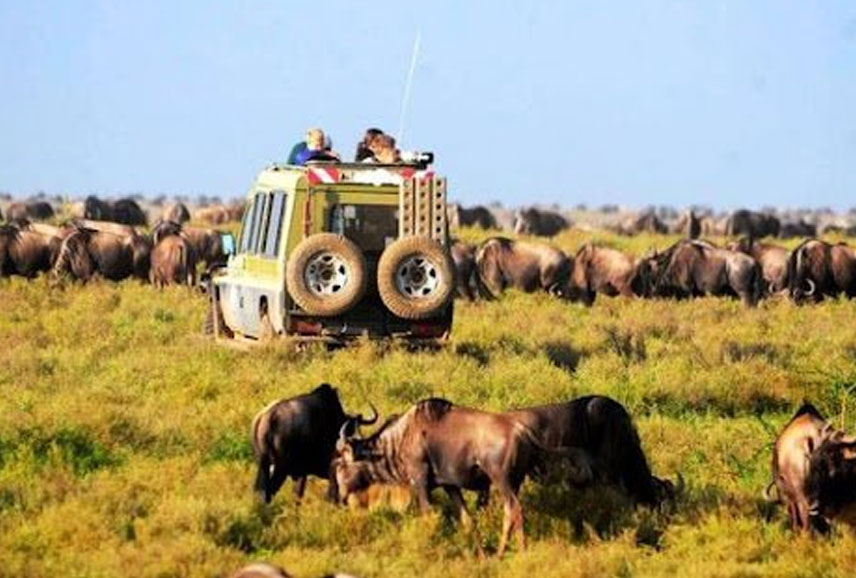
Private Vehicles: Booking a private vehicle gives you the freedom to head back to camp early if the kids get tired, or stay longer at a cheetah sighting without worrying about other guests.
Contact our expert tour operators
Kenya Tru Nomad Tours is here to ensure your family’s African adventure is seamless and safe. Explore our dedicated family safari tour packages today and start planning the trip of a lifetime or contact our expert tour guides who will be happy to plan your trip to the finest detail to make sure you get the best experience of Africa!